
BLOGS
Understanding Changes in Working Capital and Its Impact on Cash Flow

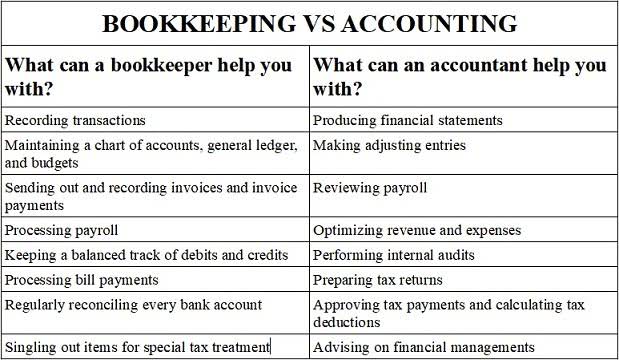
As mentioned earlier, there are many methods in computing the terminal value, here we will introduce Three Bookkeeping for Veterinarians of them, the Gordon Growth model, the H-model and the exit multiple method. Based on the timing of cash flows, we cancalculate how long (in terms of year) they are from the valuation date. For theFY19 cash flow, we need to discount 0.5 year; For the FY20 cash flow, we need1.5 year and so on. So we need to take into account the cash flows beyond the terminalyear as well. Personally, I prefer using FCFF (except for certain industries, such as financial services) as it doesn’t require projecting the financing cash flows.

Importance of Using the Working Capital Formula
The discounted cash flow (DCF) model is probably the most versatile technique in the world of valuation. It can be used to value almost anything, from business value to real estate and financial instruments etc., as long as you know what the expected future cash flows are. The increase in the inventory has been matched by a corresponding increase in accounts payable so the net change in working capital is zero, and the corresponding cash flow from the business is zero. Discover how the cash conversion cycle impacts business efficiency and learn strategies to optimize cash flow management. Healthy working capital is typically indicated by a positive balance, suggesting your company can comfortably meet short-term obligations and invest in growth opportunities. Specifically, healthy working capital reflects a balance that supports operational needs without tying up unnecessary funds, as excess capital may indicate inefficient use of resources.

Why did I see a negative change in working capital?
- It’s vital because it helps them pay their bills, buy things they need to sell and handle unexpected situations.
- When inventory increases, cash is tied up in goods that aren’t yet sold, reducing the liquidity of your assets.
- Change in working capital is a cash flow item that reflects the actual cash used to operate the business.
- Working capital is a balance sheet definition which only gives you insight into the number at that specific point in time.
- Some businesses and industries, such as supermarkets or fast fashion, routinely operate with low working capital ratios because of quick inventory turnover and fast cash cycles.
- To calculate the change in net working capital (NWC), the current period NWC balance is subtracted from the prior period NWC balance.
Learn more about a company’s Working Capital Cycle, and the timing of when cash comes how to calculate changes in working capital in and out of the business. Comparing the working capital of a company against its competitors in the same industry can indicate its competitive position. If Company A has working capital of $40,000, while Companies B and C have $15,000 and $10,000, respectively, then Company A can spend more money to grow its business faster than its two competitors. In such cases, a positive change in Net Working Capital could signal operational inefficiencies that need attention. In this perfect storm, the retailer doesn’t have the funds to replenish the inventory flying off the shelves because it hasn’t collected enough cash from customers.
How to Calculate the Net Working Capital on Cash Flow
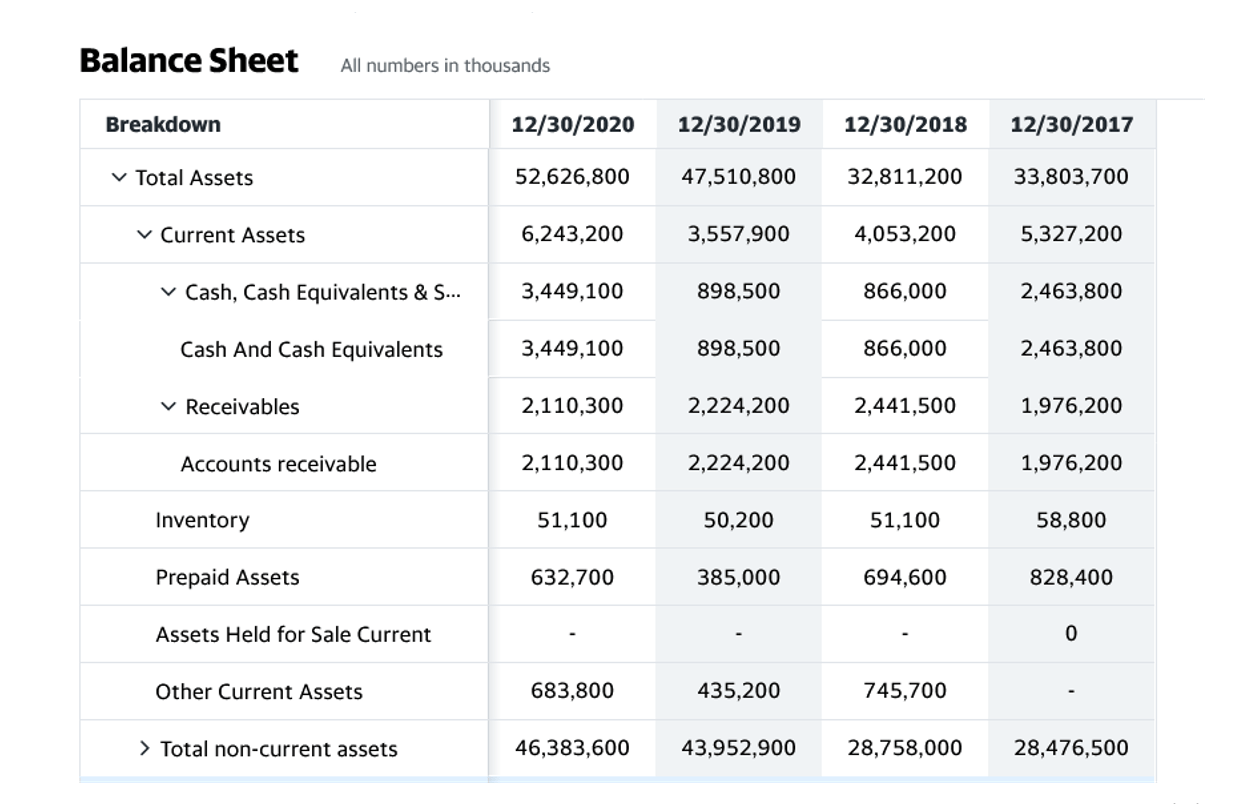
Both current assets and current liabilities are found on a company’s balance sheet. Software companies generally tend to have a positive change in working capital cash flow because they do not have to maintain an inventory before selling the product. It means that it can generate revenue without increasing current liabilities. The net working capital calculation is an essential financial metric used to measure the deviation or divergence between an entity’s current assets and current liabilities. Every business enterprise extensively uses this metric to understand the economic or financial condition of the enterprise. Monitoring changes in working capital is essential for businesses because it provides insights into their liquidity, operational efficiency, and ability to meet short-term financial obligations.
- Working capital is a snapshot of a company’s current financial condition—its ability to pay its current financial obligations.
- The change in working capital is a derived metric that tracks the movement of funds tied up in operations over successive reporting periods.
- He has worked as an accountant and consultant for more than 25 years and has built financial models for all types of industries.
- In March 2024, Microsoft (MSFT) reported $147 billion of total current assets, which included cash, cash equivalents, short-term investments, accounts receivable, inventory, and other current assets.
- Generally speaking, a current ratio between 1.5 and 2.0 is considered good, while a ratio of less than 1.0 indicates your business may not have enough liquid assets to cover its current liabilities.
- Always use a consistent definition and clarify which one you’re using for cleaner comparisons across periods or companies.
- The net working capital (NWC) metric is a measure of liquidity that helps determine whether a company can pay off its current liabilities with its current assets on hand.
Simply put, it assumes the business will continue to grow at a higher growth rate for a few years before arriving the stable low growth stage. Terminal value is the value of a business or project beyond the forecast period. Terminal value assumes a business will grow at a set growth rate forever after the forecast period. Terminal value often comprises a large percentage of the total assessed value.

Inconsistent or unreliable data can complicate analysis, requiring strategies to normalize and reconcile discrepancies in historical financials. Tailoring assumptions is crucial for industries with volatile working capital dynamics. In M&A, working capital offers unique integration risks, including mismatches in policies between the acquirer and target. Working capital is the amount of liquid assets a company has available, after accounting for its upcoming payments. It tells you how much money the company has available to pay employees, suppliers, and other day-to-day business needs. In bookkeeping cash flow analysis, we add a decrease (negative change) in Net Working Capital to operating cash flow because it represents a source of cash.